




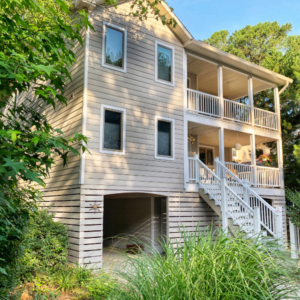
Once the last renters pull out and the beach traffic thins, a lot of properties on the Eastern Shore sit empty until spring. Condos, beach cottages, rental units, second homes. An empty house gets noticed, and a few months without anyone checking the doors gives small problems plenty of time to grow.
We’ve been proudly securing the Eastern Shore for over 35 years, and every fall we get the same handful of calls. Here’s what we suggest taking care of before you lock up and head home for the winter.
- Figure out who still has a key
Summer puts a lot of keys into circulation. Cleaners, renters, property managers, contractors, the neighbor who fed the cat in July. By October, most owners can’t account for every copy.
Rekeying solves that without replacing your locks. We change the pins inside the cylinder so the old keys stop working, then hand you a new set. It’s usually quicker and less expensive than new hardware. If you rent your property, rekeying at the end of every season is a smart habit to get into.
- Check your deadbolts and strike plates
A deadbolt is only as strong as the frame it locks into. On a lot of doors, the strike plate (the metal plate on the frame) is held by short screws that barely reach past the trim. Longer screws that bite into the framing make the door much harder to force.
Salt air is also tough on locks. If a key sticks, or the bolt doesn’t slide all the way out, have it looked at now. A lock that’s sluggish in October can be seized by April.
- Don’t forget the back of the house
Front doors get all the attention, but side doors, deck doors, and sliders are where many break-ins start. A few things to check:
- Sliding glass doors: add a secondary lock or a bar in the track, and make sure the door can’t be lifted off its rollers.
- Garage entry doors: the door between the garage and the house often has the weakest lock on the property.
- Sheds and outdoor storage: a good padlock and solid hasp keep tools and ladders from being used against you.
- Think about keyless entry for a home you’re not living in
If contractors, cleaners, or a property manager need access over the winter, a keypad lock makes life easier. You give each person their own code and delete it when the job is done. No spare key under the mat, and no wondering who made a copy.
Pick a model with a physical key backup, and put fresh batteries in it before you leave for the season.
- Lock up valuables in a safe, or take them with you
Passports, important papers, jewelry, spare keys, and anything you’d hate to replace shouldn’t sit in a dresser drawer all winter. A good safe, bolted to the floor, keeps them protected from theft. A fire-rated safe adds another layer of protection for documents.
Already have a safe that won’t open, or a lock that’s acting up? We repair those too, so it’s worth getting it checked before you count on it for the winter.
Off-Season Security Checklist
- Rekey any lock that renters, staff, or contractors had keys to.
- Reinforce strike plates with longer screws.
- Test every lock for sticking or corrosion.
- Secure sliders, garage entry doors, and sheds.
- Set up or update keypad codes for winter access.
- Move valuables to a bolted-down safe.
- Turn off access credentials for seasonal employees.
Let R.J. Lock look it over before you leave
R.J. Lock & Security has been proudly securing the Eastern Shore for over 35 years. If you’d like a second set of eyes on your home or business before the off-season, give us a call. We’ll make sure everything is locked up right so you can enjoy the winter without worrying about the place.